Pharma CEOs at the Senate: Buybacks or Middlemen?
On February 8, 2024, the CEOs of Merck, Johnson & Johnson and Bristol Myers Squibb testified before the Senate HELP Committee about U.S. drug prices.
The first explanation
Chair Bernie Sanders pointed at where the money goes:
“14 major pharmaceutical companies, including Johnson & Johnson and Merck, spent $87 billion more on stock buybacks and dividends over a recent 10-year period than what they spent on research and development.”
The second explanation
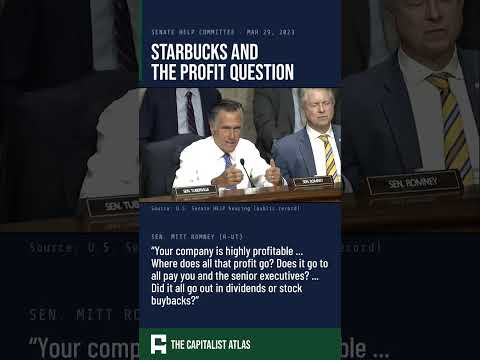
Sen. Mitt Romney pointed somewhere else: the gap between a drug’s list price and what manufacturers actually get paid.
“We may not have the right bad guys here.”
He meant pharmacy benefit managers (PBMs), the middlemen that negotiate drug prices for insurers and employers, and which, he said, can earn more when list prices are higher. The PBM industry says it lowers costs for patients.
What happened next
- In January 2026, Medicare’s first negotiated drug prices took effect, including Eliquis (BMS and Pfizer) and Stelara (J&J).
- In February 2026, Congress passed a PBM reform law, including changes to how PBMs are paid in Medicare starting in 2028.
The Capitalist Atlas take
Both explanations can be true at once. Drug prices pass through manufacturers, middlemen and insurers before they reach a patient, and each takes a share. The question is which share is doing the most damage.
Go deeper
As an Amazon Associate, The Capitalist Atlas earns from qualifying purchases.
Footage: U.S. Senate HELP Committee, public record. This article is commentary and analysis, not financial advice.
Source: U.S. Senate Committee on Health, Education, Labor, and Pensions, hearing of February 8, 2024 (public record)